

Enrolling in Medicare involves more than completing an application. Before you begin, you need to determine how you qualify, whether you will be enrolled automatically, which enrollment period applies, and when your coverage will begin.
Medicare eligibility and enrollment are governed primarily by federal rules. Living in Florida does not independently make you eligible for Medicare, although your permanent address can affect which Medicare Advantage and Part D plans are available in your service area.
This guide explains the Medicare enrollment process for Florida residents, including important deadlines, application methods, coverage choices, current costs, employer-plan considerations, and common mistakes to avoid.
ProCare Consulting is not affiliated with or endorsed by the U.S. government or the federal Medicare program.
Determine How You Qualify for Medicare

Most people first become eligible for Medicare at age 65, but age is not the only pathway. Some people qualify earlier because of disability, Amyotrophic Lateral Sclerosis, commonly called ALS, or End-Stage Renal Disease. Work history can also affect whether Medicare Part A is available without a monthly premium.
Medicare Eligibility at Age 65
Most people first qualify for Medicare at age 65, although age is not the only eligibility pathway. Understanding Medicare eligibility in Florida can help clarify how age, disability, work history, and other qualifying circumstances affect the process before an application is submitted.
Turning 65 does not necessarily mean you must submit an application on your birthday. Some people receive Part A and Part B automatically, while others must apply through Social Security.
Medicare Eligibility Based on Disability
Some people under 65 become eligible for Medicare after receiving qualifying Social Security or Railroad Retirement Board disability benefits for 24 months.
After the required disability-benefit period, Part A and Part B are generally provided automatically. The 24-month rule does not apply in the same way to ALS or End-Stage Renal Disease.
Medicare Eligibility for ALS
People with ALS generally receive Medicare when qualifying Social Security disability benefits begin. They do not follow the standard 24-month disability-benefit waiting period.
The eligibility pathway is connected to the approval and start of disability benefits, not merely to receiving an ALS diagnosis.
Medicare Eligibility for End-Stage Renal Disease
People of any age may qualify for Medicare because of End-Stage Renal Disease when they need regular dialysis or have received a kidney transplant and satisfy the applicable eligibility requirements.
ESRD-based Medicare has separate application and coverage-start rules. Coverage may depend on when dialysis begins, whether the person completes qualifying home-dialysis training, or when a kidney transplant occurs. Applicants should verify their individual timeline rather than assuming enrollment will be automatic.
How Work History Affects Medicare
Work history commonly determines whether Part A is available without a monthly premium.
Most people receive premium-free Part A because they or a spouse worked and paid Medicare taxes for a sufficient period, generally at least 10 years. Someone without enough work history may still be able to purchase Part A and enroll in Part B if the applicable requirements are met.
Confirm Whether Medicare Enrollment Will Be Automatic
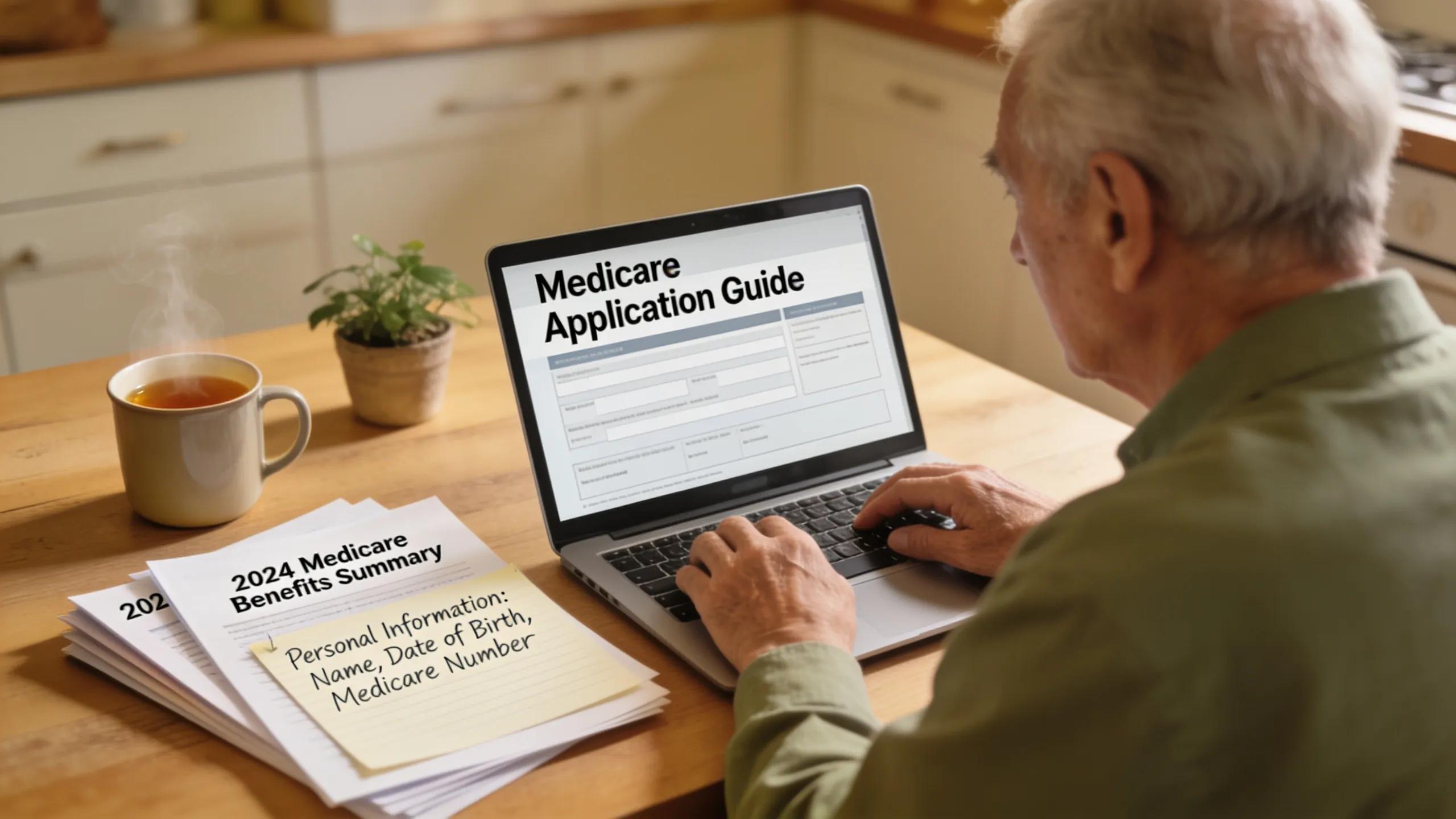
Not everyone follows the same Medicare enrollment process. Some people receive Part A and Part B automatically, while others must contact Social Security and submit an application.
Determining which category applies should be one of your first steps.
When Enrollment May Be Automatic
You may be enrolled automatically in Medicare Part A and Part B if you are already receiving qualifying Social Security or Railroad Retirement Board benefits before turning 65.
People who qualify for Medicare through certain disability benefits or ALS may also be enrolled automatically under the applicable rules. When automatic enrollment applies, Medicare generally sends a welcome package and Medicare card before coverage begins.
Do not assume that enrollment will occur automatically. Review any notices you receive and confirm your enrollment status with Social Security or the Railroad Retirement Board. If you are not receiving qualifying benefits before age 65, you will generally need to apply for Part A and Part B.
When You Must Apply
You may need to apply if you are approaching 65 but have not started Social Security or Railroad Retirement Board benefits.
Most Part A and Part B applications are handled through Social Security. People who worked for a railroad or receive railroad benefits may need to follow Railroad Retirement Board procedures.
Review Your Medicare Welcome Package
When you receive your Medicare card, verify:
- Your legal name
- Your Medicare number
- Your Part A effective date
- Your Part B effective date
- Whether both requested coverage parts appear
Report an error before enrolling in a Medicare Advantage or Part D plan.
Avoid Submitting a Duplicate Application
If you receive Medicare automatically, you generally do not need to submit another Part A and Part B application.
Review your welcome package first. If the card does not arrive when expected or the effective dates appear incorrect, contact Social Security or the Railroad Retirement Board, as applicable.
Understand the Medicare Initial Enrollment Period

For many people first becoming eligible at 65, the Initial Enrollment Period is the primary opportunity to enroll in Medicare. It is based on the month a person turns 65 rather than the exact birthday date, which is why following a turning 65 Medicare checklist can help organize enrollment timing alongside the other coverage decisions that need to be made.
Your application timing can affect when Part B or premium Part A begins.
The Seven-Month Enrollment Window
The standard Initial Enrollment Period lasts seven months:
- Three months before the month you turn 65
- The month you turn 65
- Three months after the month you turn 65
For example, someone whose birthday is in August generally has an Initial Enrollment Period running from May through November.
Enrolling Before the Birthday Month
When you enroll in Part B or premium Part A during the three months before your birthday month, coverage generally begins on the first day of the month you turn 65.
Applying before the birthday month can help prevent a delay in coverage.
Enrolling During or After the Birthday Month
When you enroll during your birthday month or one of the following three months, Part B or premium Part A generally begins the month after enrollment.
Waiting until the later part of the Initial Enrollment Period may therefore leave time between your 65th birthday and your Medicare effective date.
The First-Day-of-the-Month Birthday Rule
If your birthday is on the first day of a month, premium-free Part A generally begins on the first day of the preceding month.
This rule should not automatically be applied to Part B, Medicare Advantage, or Part D. Each coverage type follows its applicable effective-date rules.
Review Other Medicare Enrollment Periods

Medicare has several enrollment periods, but they do not all permit the same actions. The General Enrollment Period concerns Part B and premium Part A, while the Annual Enrollment Period and Medicare Advantage Open Enrollment Period focus mainly on private Medicare plan decisions.
Special Enrollment Periods apply only when a defined qualifying circumstance is met.
General Enrollment Period
The General Enrollment Period runs from January 1 through March 31 each year.
It may be available to people who need to enroll in Part B or premium Part A after missing an earlier opportunity. Coverage generally begins the month after enrollment. A late-enrollment penalty may apply when the person does not qualify for an exception.
Special Enrollment Period for Active-Employer Coverage
Some people delay Part B because they have qualifying group health coverage based on their own current employment or their spouse’s current employment.
After the Initial Enrollment Period ends, an eligible person can generally enroll in Part B while the qualifying employment or group coverage continues. The Special Enrollment Period ends eight months after the employment or group health coverage ends, whichever ends first.
COBRA and retiree coverage do not extend this eight-month enrollment deadline. Because employer size and Medicare payer rules can affect how the coverages work together, confirm your situation with Social Security and the employer’s benefits administrator before delaying Part B.
Medicare Annual Enrollment Period
The Medicare Annual Enrollment Period runs from October 15 through December 7.
During this period, eligible beneficiaries can make certain changes involving Medicare Advantage and Part D coverage, including:
- Changing Medicare Advantage plans
- Moving between Original Medicare and Medicare Advantage
- Joining, changing, or dropping a Part D plan
Changes generally take effect January 1 of the following year. This period is not the standard opportunity for first enrolling in Part A or Part B.
Medicare Advantage Open Enrollment Period
The Medicare Advantage Open Enrollment Period runs from January 1 through March 31 and applies only to people who are already enrolled in a Medicare Advantage plan.
During this period, an eligible member may generally make one permitted Medicare Advantage change or return to Original Medicare. It is not a general opportunity for someone with Original Medicare to join Medicare Advantage.
Event-Based Special Enrollment Periods
Certain events may create a Special Enrollment Period for a Medicare Advantage or Part D change. Examples can include:
- Moving outside a plan’s service area
- Losing qualifying coverage
- Becoming eligible for Medicaid
- Qualifying for Extra Help
- Entering or leaving certain institutions
The allowed change, deadline, documentation, and effective date depend on the specific event. Do not assume that any move, diagnosis, or insurance change permits every type of Medicare enrollment.
Understand When Medicare Coverage Begins

Submitting an application does not mean coverage starts on that date. The effective date depends on the Medicare part, eligibility pathway, enrollment period, and application month.
Always verify the effective date before ending existing insurance.
Premium-Free Part A Effective Dates
Premium-free Part A generally starts in the month you turn 65. If your birthday falls on the first day of the month, Part A generally starts one month earlier.
When you apply for premium-free Part A after turning 65, coverage may be retroactive for up to six months, but it cannot begin before your first month of eligibility.
Part B and Premium-Part-A Effective Dates
Part B and premium Part A generally begin:
- In the birthday month when you enroll during the preceding three months
- The following month when you enroll during the birthday month or one of the next three months
Coverage begins on the first day of the applicable month.
General Enrollment Period Effective Dates
If you enroll during the January 1 through March 31 General Enrollment Period, coverage generally begins the month after enrollment.
Older materials stating that General Enrollment Period coverage automatically begins July 1 do not reflect the current rule.
Private Medicare Plan Effective Dates
Medicare Advantage and Part D effective dates depend on the enrollment period used and when the plan receives a valid enrollment request.
For example, changes made during the October 15 through December 7 Annual Enrollment Period generally begin January 1. Other enrollment periods can produce different effective dates.
Confirm Coverage Before Canceling Existing Insurance
Before ending current insurance, confirm:
- Your Part A effective date
- Your Part B effective date
- Your Medicare Advantage or Part D effective date
- Your Medigap effective date, when applicable
- The date your current insurance will terminate
Do not rely solely on an application submission date or verbal estimate.
Prepare the Information Needed to Apply

The information required for Medicare enrollment varies by applicant. Not everyone must submit a birth certificate, Social Security card, tax return, pay stubs, or Florida residency documents.
Follow the instructions provided by Social Security for your specific enrollment situation.
Basic Personal Information
Social Security may request information such as:
- Your Social Security number
- Your date and place of birth
- Your address
- Your contact information
- Information about current Medicare coverage, if any
SSA identifies the Social Security number and place of birth as standard application information.
Current or Previous Employer Coverage
When you are enrolling after age 65 or using an employer-related Special Enrollment Period, you may need information about:
- When current employment began or ended
- When group health coverage began or ended
- Whether coverage was based on your employment or a spouse’s
- The employer providing the coverage
Social Security may request the start and end dates of current or post-65 group health plans.
Information for a Special Enrollment Period
Additional employer verification or Medicare forms may be required when you delayed Part B because of qualifying current-employment coverage.
Do not assume that an insurance card alone establishes eligibility for the Special Enrollment Period.
Information for Comparing Private Coverage
To compare Medicare Advantage, Part D, or Medigap options, prepare:
- Your Medicare card
- A list of prescription medications
- Medication dosages and refill frequency
- Preferred pharmacies
- Doctors and hospitals
- Expected healthcare services
- Travel or seasonal-residence needs
- Current premiums and healthcare costs
- A reasonable monthly budget
These details are useful for comparing coverage but are not necessarily required for the basic Part A and Part B application.
Protect Sensitive Information
Provide personal information only through verified channels, such as:
- Social Security
- Medicare
- An authorized insurance company
- A licensed insurance professional
- Another confirmed government or benefits administrator
Do not send your Medicare number, Social Security number, tax documents, or medical information in response to an unverified call or message.
Apply Through the Appropriate Agency

Social Security generally handles Part A and Part B enrollment. Medicare Advantage, Part D, and Medigap enrollment occur separately after the applicable Medicare requirements are satisfied.
Understanding which organization handles each step helps prevent incomplete or duplicate applications.
Apply Online Through Social Security
People who are not enrolled automatically may be able to apply for Part A and Part B through Social Security’s secure online system.
Someone who already has Part A and previously delayed Part B may use a separate Part B application process.
Apply by Phone
Applicants can contact Social Security by phone when they cannot complete the online process or need assistance with their application.
People applying because of ESRD may also need to contact Social Security directly rather than relying solely on the standard online process.
Apply Through a Social Security Office
Social Security may provide assistance by appointment or through a local office.
Bring only the records requested for your situation. Do not assume that an in-person appointment includes recommendations about Medicare Advantage, Part D, or Medigap plans.
Follow Railroad Retirement Board Procedures
People who worked for a railroad or receive Railroad Retirement Board benefits may need to contact the Railroad Retirement Board for enrollment assistance.
Their enrollment process may differ from the standard Social Security process.
Save and Review Enrollment Confirmation
Keep copies or records of:
- The application date
- Confirmation numbers
- Forms submitted
- Employer verification
- Correspondence received
- Part A and Part B effective dates
After processing, review your Medicare card and report any discrepancy.
Understand Medicare Parts A, B, C, and D
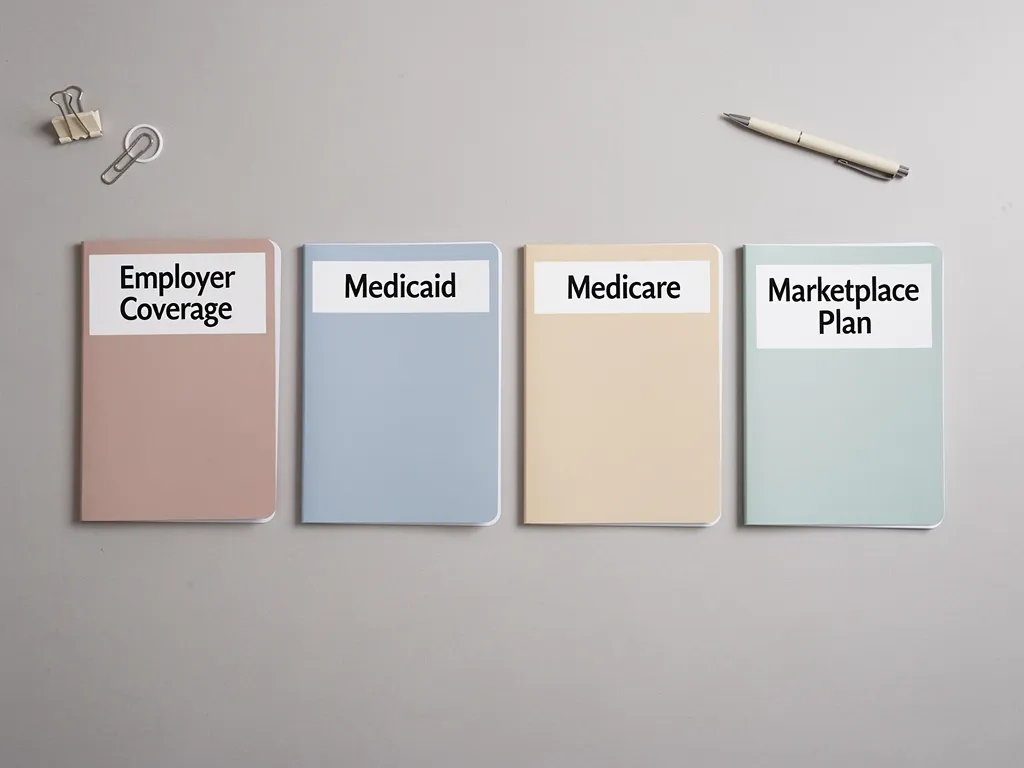
The four parts of Medicare serve different purposes. Understanding their roles can help you separate the initial Part A and Part B enrollment process from later private-plan decisions. For more detail, see our article Understanding Florida Medicare Plan Options.
No combination automatically guarantees that every healthcare service or expense will be covered.
Medicare Part A
Part A helps cover eligible:
- Inpatient hospital care
- Qualifying skilled nursing facility care
- Hospice care
- Certain home health services
Part A generally does not cover long-term custodial care simply because a person lives in a nursing facility. Coverage requirements, benefit periods, deductibles, and coinsurance may apply.
Medicare Part B
Part B helps cover eligible:
- Physician and other provider services
- Outpatient care
- Durable medical equipment
- Certain home health services
- Many preventive services
Most beneficiaries pay a monthly Part B premium. An annual deductible and coinsurance may also apply.
Medicare Part C
Medicare Advantage, also called Part C, is an alternative way to receive Part A and Part B benefits through a Medicare-approved private plan.
Many Medicare Advantage plans include Part D drug coverage, and some offer additional dental, vision, or hearing benefits. Provider networks, premiums, cost-sharing, service areas, prior authorization, formularies, and extra benefits vary by plan.
Medicare Part D
Part D helps pay for outpatient prescription medications through Medicare-approved private plans.
Coverage can be added through a standalone Part D plan when a person has Original Medicare or included within many Medicare Advantage plans. Formularies, pharmacy networks, premiums, deductibles, and medication costs vary.
Choose How You Want to Receive Medicare Coverage

After Part A and Part B enrollment, beneficiaries can review their Medicare coverage options and generally choose between Original Medicare and Medicare Advantage as the main way to receive Medicare-covered services.
These are different coverage structures. Medicare Advantage is not a supplement added to Original Medicare, and Medigap is not used with Medicare Advantage.
Original Medicare
Original Medicare consists of Part A and Part B.
Beneficiaries generally may use eligible doctors and hospitals throughout the United States that accept Medicare. Original Medicare does not use a Medicare Advantage provider network, but beneficiaries remain responsible for applicable premiums, deductibles, coinsurance, and noncovered services. Read more in Secure Your Future with Florida Medicare Planning Services.
Original Medicare With Part D
Someone with Original Medicare may enroll in a separate Medicare Part D plan for outpatient prescription coverage. The available options can differ in formularies, pharmacy networks, deductibles, cost-sharing, and coverage requirements.
When comparing drug plans, consider:
- Whether your medications are covered
- Formulary tiers
- Preferred pharmacies
- Deductibles
- Copayments and coinsurance
- Prior authorization
- Step therapy
- Quantity limits
The plan with the lowest premium may not produce the lowest total prescription cost.
Original Medicare With Medigap
Medigap is private insurance that works with Original Medicare and may help pay specified deductibles, copayments, or coinsurance.
The exact benefit depends on the standardized plan letter. Medigap generally does not cover routine dental care, routine vision care, hearing aids, long-term care, or outpatient prescription drugs. Policies sold after 2005 do not include Part D coverage.
Medicare Advantage
Medicare Advantage provides an alternative way to receive Medicare Part A and Part B benefits through a Medicare-approved private plan. Before enrolling, beneficiaries should compare provider access, prescription coverage, costs, service-area rules, prior authorization requirements, and additional benefits.
Before enrolling, compare:
- Doctors and hospitals
- Provider networks
- Service-area rules
- Prior authorization
- Referrals
- Premiums
- Copayments and coinsurance
- Annual out-of-pocket limits
- Prescription coverage
- Additional benefits
- Travel needs
A plan should be evaluated as a complete medical and prescription arrangement rather than selected solely because it advertises a particular extra benefit.
Why Medigap and Medicare Advantage Cannot Be Used Together
Medigap supplements Original Medicare. It cannot be used to pay Medicare Advantage premiums, deductibles, copayments, or coinsurance.
Someone enrolled in Medicare Advantage generally cannot purchase Medigap unless they are switching back to Original Medicare. Medigap availability after leaving Medicare Advantage can depend on federal protections, state rules, timing, and underwriting circumstances.
Why There Is No Universally Best Option
The appropriate coverage structure depends on factors such as:
- Provider access
- Prescription medications
- Travel
- Expected healthcare use
- Monthly premiums
- Cost-sharing
- Budget
- Comfort with networks and authorization rules
There is no bad insurance, only coverage that may or may not fit the person’s circumstances.
Compare Current Medicare Costs

Medicare premiums and deductibles can change each calendar year. When reviewing Medicare costs, confirm that the amounts apply to the current year and have been checked against official Medicare or CMS information.
The following amounts apply to the 2026 calendar year. These figures should be reviewed again before publication and updated when new annual Medicare amounts are released.
Keep the existing Medicare Part A Costs, Medicare Part B Costs, Medicare Advantage and Part D Costs, Medigap Premiums, and Compare Total Expected Costs subsections beneath this introduction.
Add the following note at the end of the cost section:
Cost information note: The Part A and Part B amounts in this article apply to the 2026 calendar year. Medicare premiums, deductibles, income-related adjustments, and private-plan costs can change annually. Medicare Advantage, Part D, and Medigap costs vary by plan, insurance company, location, and individual eligibility circumstances. Confirm current amounts before making an enrollment or coverage decision.
Coordinate Medicare With Employer-Sponsored Coverage

People working beyond 65 should confirm how their employer plan interacts with Medicare before enrolling in or delaying Part B.
The answer can depend on whether coverage is based on current employment, the employer’s size, which plan pays first, prescription coverage, and HSA participation.
Confirm That Coverage Is Based on Current Employment
Qualifying group coverage based on your own or your spouse’s current employment may allow you to delay Part B without a late-enrollment penalty.
Coverage through COBRA, a retiree plan, or an individually purchased policy does not necessarily provide the same protection.
Determine Which Plan Pays First
The employer’s size and the reason for Medicare eligibility can affect whether Medicare or the employer plan pays first.
Ask the benefits administrator:
- Does the group plan require enrollment in Part A or Part B?
- Which coverage pays first?
- How will claims be coordinated?
- Will dependent coverage change?
- What happens when employment ends?
Do not rely on a general assumption about payer order.
Confirm Whether Prescription Drug Coverage Is Creditable
Ask the employer or plan administrator whether its prescription drug coverage is considered creditable coverage. This means the coverage is expected to pay, on average, at least as much as standard Medicare prescription drug coverage.
Keep every written creditable-coverage notice you receive. After you become eligible for Medicare, going 63 consecutive days or longer without Part D or other creditable prescription drug coverage may result in a Part D late-enrollment penalty.
Do not assume that medical coverage automatically includes creditable prescription coverage. Request written confirmation from the employer or plan administrator.
Understand COBRA and Retiree Coverage
COBRA does not extend the Part B Special Enrollment Period associated with qualifying current-employment coverage.
An eligible person can generally enroll in Part B while the qualifying employment or group coverage continues. The Special Enrollment Period ends eight months after the employment or active group coverage ends, whichever ends first, even if the person elects COBRA.
Retiree coverage may also require enrollment in both Part A and Part B before it pays benefits properly. Before employment ends, ask the benefits administrator how COBRA or retiree coverage coordinates with Medicare and when Medicare coverage should begin.
Review HSA Contributions
Once Medicare coverage begins, a person generally can no longer contribute to a health savings account for Medicare-covered months.
Premium-free Part A can be retroactive for up to six months when someone applies after 65. Medicare advises workers with HSAs to coordinate contributions before retirement or applying for Medicare or Social Security benefits. Tax guidance may be appropriate before selecting an enrollment date.
Plan for the Employer Coverage End Date
Before employer coverage ends:
- Confirm your Part B Special Enrollment Period.
- Determine when Part B should begin.
- Submit required employer verification.
- Confirm whether you need Part D or other coverage.
- Verify the new effective dates before ending the employer plan.
Starting the process before the employer plan terminates can reduce the risk of a coverage gap.
Avoid Common Medicare Enrollment Mistakes

Medicare enrollment problems often result from confusing eligibility, application deadlines, plan-selection periods, and effective dates.
Reviewing the following issues can help you identify questions that need to be resolved before submitting an application.
Assuming Florida Residency Creates Medicare Eligibility
Medicare eligibility is governed primarily by federal rules.
A Florida address may affect private-plan service areas and Florida assistance programs, but living in Florida does not independently create Medicare eligibility.
Waiting for Annual Enrollment to Apply for Parts A and B
The October 15 through December 7 Annual Enrollment Period concerns Medicare Advantage and Part D changes.
It is not the standard enrollment period for someone who is first applying for Part A or Part B.
Assuming Every Delay Creates a Penalty
Some delays may result in penalties, but valid exceptions exist.
People with qualifying current-employment coverage or creditable prescription coverage may have protected enrollment rights. Confirm the type of coverage and the applicable deadlines before delaying Medicare.
Assuming Any Coverage Protects a Part B Delay
Marketplace coverage, COBRA, retiree coverage, and other individual policies do not necessarily provide the same Part B enrollment protection as qualifying group coverage based on current employment.
The source of the coverage matters.
Canceling Existing Insurance Too Early
Do not cancel employer, individual, retiree, or other coverage merely because a Medicare application has been submitted.
Wait until the relevant Medicare and private-plan effective dates are confirmed.
Choosing a Plan Based Only on Premium or Extra Benefits
A low premium or attractive dental, vision, or hearing benefit does not establish that the entire plan fits your needs.
Review the medical network, prescription formulary, cost-sharing, authorization requirements, travel rules, and annual out-of-pocket limit.
Assuming a Provider Will Remain In-Network
Provider participation should be checked with both the plan and the provider.
Network status can change, and a healthcare professional may participate in one plan from an insurer without participating in every product that insurer offers.
Frequently Asked Questions
Is Medicare Enrollment Different in Florida?
The main eligibility and Part A and Part B enrollment rules are federal and generally apply nationwide. Florida residence can affect which Medicare Advantage and Part D plans are available in your service area.
Does Florida Residency Make Me Eligible for Medicare?
No. Moving to or living in Florida does not independently create Medicare eligibility. Eligibility is generally based on age, disability, ALS, End-Stage Renal Disease, and applicable federal entitlement requirements.
Do I Automatically Receive Medicare at 65?
Some people are enrolled automatically, while others must apply. Automatic enrollment commonly applies when a person is already receiving qualifying Social Security or Railroad Retirement Board benefits before turning 65. People who qualify through certain disability benefits or ALS may also be enrolled automatically.
Do not assume enrollment will occur. Look for your Medicare welcome package and card, or confirm your status with Social Security or the Railroad Retirement Board before your Initial Enrollment Period ends.
What Is the Medicare Initial Enrollment Period?
For many people first becoming eligible at 65, it is the seven-month period beginning three months before the birthday month, including the birthday month, and ending three months afterward.
When Does Medicare Coverage Begin?
The effective date depends on the Medicare part, enrollment period, and month in which you enroll. Premium-free Part A and Part B do not always begin on the same date.
Does General Enrollment Period Coverage Begin on July 1?
No. Under the current rule, coverage generally begins the month after enrollment during the January 1 through March 31 General Enrollment Period.
Can I Delay Part B While Working?
Possibly. Qualifying group health coverage based on your own or a spouse’s current employment may allow you to delay Part B. Confirm the employer plan’s status and Medicare coordination rules before delaying.
Does COBRA Protect Me From a Part B Penalty?
COBRA does not extend the Part B Special Enrollment Period associated with qualifying current-employment coverage. If you qualify for that Special Enrollment Period, you can generally enroll while the employment or active group coverage continues. The opportunity ends eight months after the employment or group coverage ends, whichever ends first, even if you elect COBRA.
Missing that deadline may result in delayed coverage or a Part B late-enrollment penalty unless another exception applies.
Do I Need Ten Years of Work History to Get Medicare?
Ten years of Medicare-taxed work commonly determines whether Part A is premium-free. People without enough work history may still have options to purchase Part A and enroll in Part B.
Can I Use Medicare Advantage and Medigap Together?
No. Medigap supplements Original Medicare and cannot be used to pay Medicare Advantage premiums, deductibles, or copayments.
Do I Need Part D If I Do Not Currently Take Medication?
Consider whether you have other creditable drug coverage and whether you may need prescriptions later.
Going 63 days or more without Part D or other creditable drug coverage after the applicable enrollment period may result in a late-enrollment penalty.
Can I Change My Medicare Coverage Later?
Certain changes may be allowed during:
- The October 15 through December 7 Annual Enrollment Period
- The January 1 through March 31 Medicare Advantage Open Enrollment Period
- A qualifying Special Enrollment Period
The available action depends on your current coverage and enrollment right.
Should I Cancel My Current Insurance After Applying?
Not immediately. Confirm your Medicare and private-plan effective dates before terminating existing coverage.
Conclusion
Medicare enrollment does not follow the same process for every Florida resident. Your steps depend on how you qualify, whether enrollment will be automatic, whether you have active-employer coverage, and which enrollment period applies.
Before submitting an application or ending existing insurance, confirm your Medicare eligibility pathway, Part A and Part B effective dates, employer-coverage rules, prescription needs, provider access, and expected costs.
After enrolling in Part A and Part B, compare Original Medicare and Medicare Advantage as separate coverage paths. Someone who selects Original Medicare may also consider Part D and, when eligible, Medigap. No Medicare arrangement is automatically the right fit for every person.
ProCare Consulting works for clients, not insurance companies.
Contact a licensed ProCare Consulting advisor to review your Medicare enrollment timeline and compare coverage options available in your Florida service area. For deadlines and enrollment tools, see our Medicare resources for Florida residents.