

Choosing between Original Medicare and Medicare Advantage is not simply a matter of selecting the option with the lowest premium or the longest list of benefits. These two coverage structures differ in how you access providers, pay for care, obtain prescription coverage, and manage additional healthcare expenses.
For Florida residents, location also matters. Medicare Advantage and Part D plans are offered within specific service areas, so the plans available in one Florida county may differ from those offered in another.
Understanding how each option works can help you compare coverage based on your doctors, medications, travel habits, expected healthcare use, and budget. There is no Medicare option that is automatically best for everyone. The goal is to find the coverage structure that fits your circumstances.
ProCare Consulting is not affiliated with or endorsed by the U.S. government or the federal Medicare program.
What Are Original Medicare and Medicare Advantage?

Original Medicare and Medicare Advantage are the two main ways to receive Medicare-covered healthcare services. Both involve Medicare Part A and Part B, but they differ in who administers the coverage and how beneficiaries receive care.
Original Medicare is administered by the federal government. Medicare Advantage is offered through Medicare-approved private insurance companies. Medicare confirms that a person generally needs both Part A and Part B before joining a Medicare Advantage plan.
What Original Medicare Includes
Original Medicare consists of two parts:
- Medicare Part A helps cover eligible inpatient hospital care, qualifying skilled nursing facility care, hospice care, and certain home health services.
- Medicare Part B helps cover eligible physician services, outpatient care, durable medical equipment, preventive services, and certain home health services.
With Original Medicare, beneficiaries may generally use any doctor or hospital in the United States that accepts Medicare. A provider’s decision to accept Medicare assignment can affect how much the beneficiary pays.
Original Medicare does not automatically include most outpatient prescription drug coverage. A beneficiary may choose to enroll in a separate Medicare Part D plan.
What Medicare Advantage Includes
Medicare Advantage, also called Medicare Part C, is an alternative way to receive Part A and Part B benefits through a Medicare-approved private plan.
Most Medicare Advantage plans include Part D prescription coverage. Many plans also offer additional benefits that Original Medicare does not normally cover, such as certain dental, vision, hearing, fitness, or transportation benefits.
These features are not the same across every plan. Provider networks, premiums, copayments, prescription formularies, prior-authorization requirements, service areas, and additional benefits vary.
Why Neither Option Is Automatically Better
Original Medicare and Medicare Advantage are different coverage structures rather than better and worse versions of the same program.
A person who values broad provider access may view Original Medicare more favorably. Someone who prefers receiving medical and prescription coverage through one private plan may be more comfortable with Medicare Advantage.
The appropriate fit depends on the complete arrangement, including costs, providers, medications, travel, and plan rules.
What Are the Main Differences Between Original Medicare and Medicare Advantage?
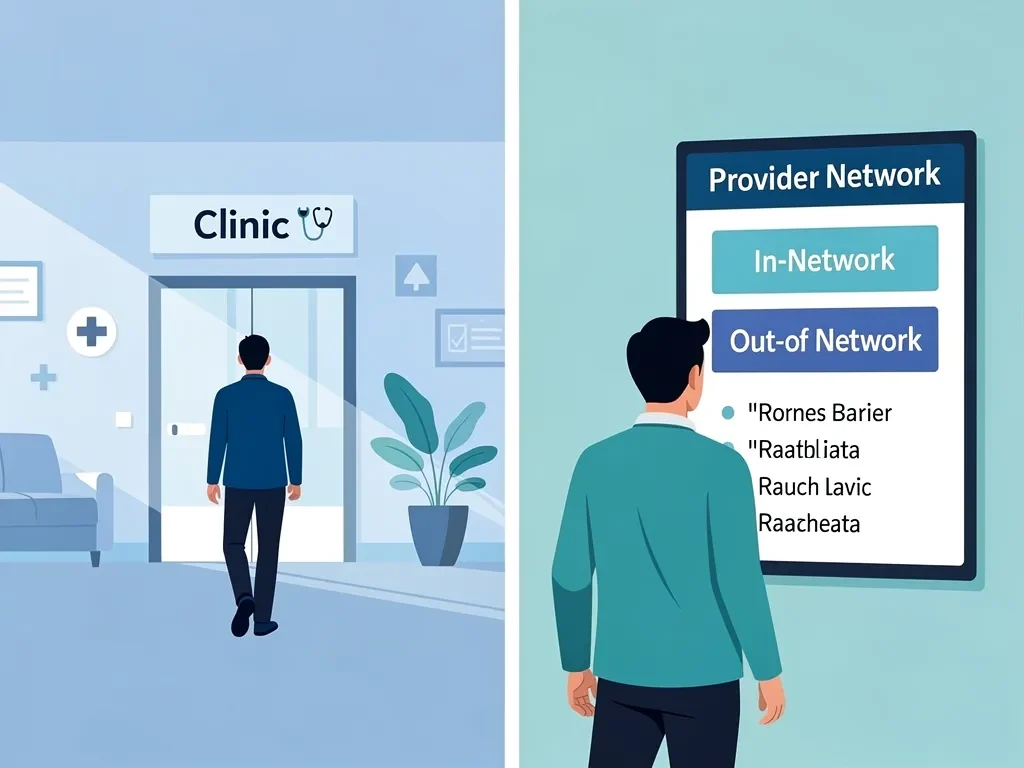
The most important differences involve provider access, prescription coverage, financial exposure, and the rules a beneficiary must follow to receive care.
A useful comparison should examine the whole coverage structure. Selecting a plan based only on an additional benefit or monthly premium may overlook costs and restrictions that become important later.
Provider Access and Networks
Original Medicare generally allows beneficiaries to use eligible doctors and hospitals throughout the United States that accept Medicare.
Medicare Advantage plans may use provider networks and service-area rules. Depending on the plan, nonemergency care received outside the network may not be covered or may cost more.
Some Medicare Advantage plans offer out-of-network benefits, while others require members to receive most nonemergency care from participating providers. Network rules should be reviewed for the specific plan under consideration.
Before enrolling, verify provider participation with both the insurance plan and the healthcare provider. A doctor may participate in one plan offered by an insurance company without participating in every plan from that company.
Specialist Referrals and Prior Authorization
Original Medicare generally does not require a referral before a beneficiary sees a specialist, although individual medical practices may have their own scheduling procedures.
Some Medicare Advantage plans require referrals for specialist care. Plans may also require prior authorization before covering certain services, treatments, equipment, or medications.
Prior authorization means the plan must approve the service before it is provided. Requirements vary by plan and can change, so current plan documents should be reviewed.
Prescription Drug Coverage
Original Medicare does not automatically include coverage for most outpatient prescription medications. A beneficiary who chooses Original Medicare may enroll in a separate Part D plan.
Most Medicare Advantage plans include Part D coverage, but not every Medicare Advantage arrangement includes prescription benefits. Medicare drug plans have formularies, which are lists of covered medications. Formularies, medication tiers, pharmacy networks, deductibles, and coverage restrictions vary by plan.
When comparing drug coverage, review:
- Whether each medication is covered.
- The medication’s formulary tier.
- Preferred and participating pharmacies.
- Prior-authorization requirements.
- Step-therapy rules.
- Quantity limits.
- Estimated annual medication costs.
The plan with the lowest premium may not produce the lowest total prescription cost.
Additional Dental, Vision, and Hearing Benefits
Original Medicare generally does not cover routine dental care, routine eye examinations for glasses, hearing aids, or routine hearing examinations.
Many Medicare Advantage plans offer some additional dental, vision, or hearing benefits. However, the services covered and the amount the plan pays can vary significantly.
Before treating an additional benefit as a deciding factor, check:
- Which services are included.
- Whether a provider network applies.
- How often services are covered.
- Whether an annual allowance or benefit limit applies.
- Whether the member must pay copayments or coinsurance.
- Whether prior authorization is required.
Additional benefits should be evaluated alongside the plan’s medical coverage, prescription formulary, network, and out-of-pocket costs.
Travel and Seasonal Residence Considerations
Original Medicare may provide greater flexibility for beneficiaries who travel frequently within the United States because eligible care can generally be received from providers who accept Medicare.
Medicare Advantage plans operate within defined service areas. Emergency and urgently needed care are covered under applicable Medicare rules, but routine nonemergency care outside the plan’s network or service area may be limited.
Florida residents who spend part of the year in another state should review whether the plan provides suitable access to routine care in both locations. Medicare advises beneficiaries who live in another state for part of the year to check how the plan will cover them there.
How Do Original Medicare and Medicare Advantage Costs Compare?

Cost comparisons should include more than the monthly premium. Beneficiaries may also pay deductibles, copayments, coinsurance, prescription expenses, and charges for services Medicare does not cover.
Medicare amounts and private-plan costs can change each year. Any specific premiums, deductibles, or limits should be verified using current official Medicare information and the plan’s current documents.
Original Medicare Premiums and Cost-Sharing
Most beneficiaries do not pay a monthly Part A premium because they or a spouse paid Medicare taxes for a sufficient period. People without enough qualifying work history may have to pay a Part A premium.
Most beneficiaries pay a monthly Part B premium. Higher-income beneficiaries may pay an additional income-related amount.
Original Medicare also includes:
- A Part A inpatient hospital deductible for each benefit period.
- A Part B annual deductible.
- Coinsurance for many Part B-covered services.
- Additional cost-sharing for certain hospital and skilled nursing facility stays.
After the Part B deductible, beneficiaries generally pay a percentage of the Medicare-approved amount for many covered services.
Original Medicare alone does not have a general annual limit on a beneficiary’s out-of-pocket spending. Supplemental coverage, such as Medigap, Medicaid, or certain employer or retiree coverage, may help with eligible costs.
Medicare Advantage Premiums and Cost-Sharing
A Medicare Advantage member must remain enrolled in Part B and continue paying the applicable Part B premium.
Some Medicare Advantage plans charge an additional monthly premium, while others do not. A plan with no additional monthly premium is not the same as cost-free coverage. Deductibles, copayments, coinsurance, prescription costs, and the Part B premium may still apply.
Medicare Advantage plans establish annual out-of-pocket limits for covered Medicare medical services. Once a member reaches the applicable limit, the plan generally pays the covered medical costs addressed by that limit for the remainder of the year.
The limit and the costs that count toward it vary by plan. Prescription drug expenses may follow separate rules and generally should not be assumed to count toward the medical out-of-pocket limit.
Comparing Total Expected Costs
A useful comparison should consider:
- The Part B premium.
- Any additional plan premium.
- Part D or Medigap premiums.
- Medical and prescription deductibles.
- Primary-care and specialist copayments.
- Hospital and outpatient cost-sharing.
- Prescription medication costs.
- The annual medical out-of-pocket limit.
- Costs for dental, vision, hearing, or other noncovered services.
- Expected frequency of medical care.
No plan can guarantee what a person will spend in the future. However, reviewing likely healthcare use can provide a more realistic comparison than evaluating premiums alone.
Why General Florida Cost Ranges Can Be Misleading
Medicare Advantage and Part D plans can vary by county and service area. Premiums, provider networks, formularies, benefit limits, and cost-sharing can also change from one year to the next.
A general statewide price range may not accurately reflect the plans available at a particular Florida address. Current plan documents should be used when comparing actual options.
Who Is Eligible for Original Medicare and Medicare Advantage?

Medicare eligibility is governed mainly by federal rules. Living in Florida does not independently make someone eligible for Medicare.
A Florida address can affect which Medicare Advantage and Part D plans are available because private Medicare plans operate within defined service areas.
Eligibility for Medicare at Age 65
Medicare generally provides health coverage for people age 65 or older who meet the applicable federal eligibility requirements.
Some people are enrolled automatically, while others must submit an application through Social Security or, when applicable, the Railroad Retirement Board.
Work history commonly determines whether Part A is available without a monthly premium. It is not always a requirement for obtaining Medicare. Someone without enough qualifying work history may still have options to purchase Part A and enroll in Part B when the applicable conditions are met.
Medicare Eligibility Before Age 65
Some people become eligible for Medicare before age 65 because they receive qualifying disability benefits or have certain medical conditions.
Potential eligibility pathways include:
- Qualifying Social Security or Railroad Retirement Board disability benefits.
- Amyotrophic Lateral Sclerosis, commonly called ALS.
- End-Stage Renal Disease, commonly called ESRD.
SSA confirms that some people under 65 may qualify because of disability benefits or permanent kidney failure. Eligibility and coverage-start rules depend on the individual pathway.
Eligibility for Medicare Advantage
To join a Medicare Advantage plan, a person generally must:
- Have Medicare Part A.
- Have Medicare Part B.
- Live within the plan’s service area.
- Be a U.S. citizen or lawfully present in the United States.
The plan will also require the beneficiary’s Medicare number and Part A and Part B effective dates.
How Florida Service Areas Affect Plan Availability
Medicare Advantage and Part D plans are not necessarily available throughout the entire state.
Plan availability may vary by:
- County.
- ZIP code.
- Permanent residential address.
- Plan service area.
- Contract year.
Moving to another Florida county can change the plans available to a beneficiary and may create a Special Enrollment Period under certain circumstances.
When Can You Enroll in or Change Medicare Coverage?

Different Medicare enrollment periods permit different actions. Enrolling in Part A and Part B for the first time is not the same as joining or changing a Medicare Advantage or Part D plan.
Beneficiaries should identify which enrollment period applies before submitting a request or ending existing coverage.
Initial Enrollment Period
For many people becoming eligible at age 65, the Initial Enrollment Period lasts seven months. It begins three months before the month the person turns 65, includes the birthday month, and ends three months afterward.
The month in which a person enrolls can affect when Part B coverage begins. Medicare states that coverage generally begins in the birthday month when enrollment occurs during the preceding three months. When enrollment occurs during the birthday month or one of the following three months, coverage generally begins the next month.
A person generally needs both Part A and Part B before joining a Medicare Advantage plan.
Medicare Annual Enrollment Period
The Medicare Annual Enrollment Period, also commonly called Medicare Open Enrollment, runs from October 15 through December 7.
During this period, eligible beneficiaries may generally:
- Move from Original Medicare to Medicare Advantage.
- Move from Medicare Advantage to Original Medicare.
- Switch from one Medicare Advantage plan to another.
- Join, change, or drop a Part D plan.
Changes made during this period generally take effect January 1 of the following year.
This period is not the standard opportunity for first enrolling in Medicare Part A or Part B.
Medicare Advantage Open Enrollment Period
The Medicare Advantage Open Enrollment Period runs from January 1 through March 31 and applies only to people who are already enrolled in a Medicare Advantage plan.
During this period, an eligible member may generally:
- Switch to a different Medicare Advantage plan.
- Leave Medicare Advantage and return to Original Medicare.
- Join a separate Part D plan when returning to Original Medicare, when permitted.
This period is not a general opportunity for someone with Original Medicare to enroll in Medicare Advantage.
Special Enrollment Periods
Certain events may create a Special Enrollment Period for joining or changing a Medicare Advantage or Part D plan.
Examples may include:
- Moving outside a plan’s service area.
- Losing qualifying insurance coverage.
- Becoming eligible for Medicaid.
- Qualifying for Extra Help with prescription costs.
- Entering or leaving certain institutions.
The available action, deadline, and coverage effective date depend on the event. A move or insurance change does not automatically permit every type of Medicare change.
How Do Part D and Medigap Work With Original Medicare?

Original Medicare beneficiaries may need to make separate decisions about prescription coverage and supplemental insurance.
Part D and Medigap are different products. Part D helps cover outpatient prescription medications, while Medigap may help pay certain out-of-pocket costs associated with Original Medicare.
Adding Part D to Original Medicare
A beneficiary with Original Medicare may enroll in a separate Medicare Part D plan.
Part D plans are offered by private insurance companies approved by Medicare. Each plan determines its covered medications, pharmacy network, formulary tiers, deductibles, and member cost-sharing within Medicare requirements.
A person who goes 63 consecutive days or longer without Part D or other creditable prescription coverage after becoming eligible may face a Part D late-enrollment penalty. Creditable coverage generally means drug coverage expected to pay, on average, at least as much as standard Medicare prescription coverage.
How Medigap Supplements Original Medicare
Medicare Supplement Insurance, commonly called Medigap, is private insurance designed to work with Original Medicare.
Depending on the standardized plan selected, a Medigap policy may help pay eligible Original Medicare:
- Copayments.
- Coinsurance.
- Deductibles.
A person generally must have both Part A and Part B to purchase a Medigap policy. Federal Medicare information states that a beneficiary’s six-month Medigap Open Enrollment Period generally begins during the first month the person is both age 65 or older and enrolled in Part B.
After that period, purchasing a policy may be more difficult or expensive unless the person has a guaranteed-issue right or another applicable protection.
What Medigap Generally Does Not Cover
Medigap policies generally do not cover:
- Routine dental care.
- Routine vision care.
- Hearing aids.
- Long-term custodial care.
- Private-duty nursing.
- Outpatient prescription medications.
Medigap policies sold after 2005 do not include Part D drug coverage. A beneficiary who wants prescription coverage with Original Medicare may need a separate Part D plan.
Why Medigap and Medicare Advantage Are Not Used Together
Medigap supplements Original Medicare. It cannot be used to pay Medicare Advantage premiums, copayments, deductibles, or coinsurance.
A person generally cannot purchase a Medigap policy while enrolled in Medicare Advantage unless the person is switching back to Original Medicare.
Access to Medigap after leaving Medicare Advantage may depend on timing, federal protections, Florida requirements, prior coverage, and medical-underwriting circumstances. A beneficiary should not assume that a desired Medigap policy will be available later.
What Factors Should You Consider Before Choosing?

The right Medicare coverage structure depends on how the plan works in the beneficiary’s daily life.
Before choosing, create a list of providers, medications, expected services, travel plans, and financial priorities. Use the same information to compare each option.
Doctors, Specialists, and Hospitals
Make a list of the doctors, specialists, hospitals, laboratories, and other facilities you prefer to use.
For Original Medicare, confirm that the providers accept Medicare.
For Medicare Advantage, confirm that each provider participates in the specific plan and network being considered. Medicare recommends checking with doctors and pharmacies before joining a plan.
Provider networks can change, so participation should be reviewed during each annual plan comparison.
Prescription Medications
List each prescription medication, including:
- Exact name.
- Dosage.
- Quantity.
- Refill frequency.
- Preferred pharmacy.
Check the current formulary for each Part D or Medicare Advantage plan. A medication covered by one plan may be excluded, placed on a different tier, or subject to different restrictions under another plan.
Travel and Seasonal Residence
Consider how often you travel and whether you spend extended periods outside Florida.
Original Medicare may offer broader access to participating providers across the United States. Medicare Advantage members should review network, service-area, visitor, urgent-care, and emergency rules.
Do not assume that a plan will provide routine in-network care in another state.
Monthly Budget and Potential Medical Spending
Some beneficiaries prefer paying a higher, more predictable monthly premium to reduce certain out-of-pocket medical expenses.
Others prefer a lower monthly premium while accepting copayments and coinsurance as services are used.
Neither approach is automatically better. Compare both predictable monthly costs and potential medical spending.
Comfort With Networks and Authorization Rules
Consider how comfortable you are with:
- Using a defined provider network.
- Requesting referrals.
- Following prior-authorization procedures.
- Changing providers if network participation changes.
- Receiving care within a plan’s service area.
Someone who wants fewer plan restrictions may prefer one structure, while another person may be comfortable with managed-care rules in exchange for other plan features.
Interest in Additional Benefits
Dental, vision, hearing, transportation, fitness, meal, or over-the-counter benefits can be useful, but they should not be considered separately from the medical coverage.
Review the benefit’s:
- Eligibility rules.
- Annual limit.
- Network.
- Covered services.
- Frequency restrictions.
- Member costs.
A valuable additional benefit does not automatically make the rest of the plan suitable.
Frequently Asked Questions
Is Original Medicare Better Than Medicare Advantage?
Neither option is universally better.
Original Medicare may appeal to someone who prioritizes broad provider access. Medicare Advantage may appeal to someone who prefers receiving medical and, in many cases, prescription coverage through one private plan.
The appropriate fit depends on providers, prescriptions, travel, expected healthcare use, finances, and comfort with plan rules.
Can I Use Any Doctor With Original Medicare?
You may generally use eligible doctors and hospitals throughout the United States that accept Medicare.
Ask whether the provider accepts Medicare assignment. Accepting assignment generally means the provider agrees to accept the Medicare-approved amount as full payment for covered services, subject to applicable deductibles and coinsurance.
Does Every Medicare Advantage Plan Use a Provider Network?
Many Medicare Advantage plans use provider networks, but the rules differ by plan type.
Some plans may offer limited out-of-network benefits, often at a higher cost. Other plans may require most nonemergency care to be received from network providers.
Do Medicare Advantage Plans Include Prescription Coverage?
Most Medicare Advantage plans include Part D prescription coverage, but not every plan does.
Review the plan’s formulary and confirm whether prescription coverage is included before enrolling.
Does Original Medicare Include Dental, Vision, or Hearing Coverage?
Original Medicare generally does not cover routine dental care, routine eye examinations for glasses, hearing aids, or routine hearing examinations.
Certain medically necessary services involving the eyes, ears, jaw, or dental care connected to covered medical treatment may be covered under specific circumstances.
Do I Still Pay the Part B Premium With Medicare Advantage?
Yes. Medicare Advantage members generally must continue paying the applicable Part B premium.
Some plans charge an additional premium. Plan-specific premiums and cost-sharing should be reviewed before enrollment.
Does Original Medicare Have an Annual Out-of-Pocket Maximum?
Original Medicare alone does not have a general annual out-of-pocket maximum. Medigap, Medicaid, employer coverage, or other qualifying supplemental coverage may help pay certain eligible costs.
Can I Have Medicare Advantage and Medigap at the Same Time?
Medigap is designed to supplement Original Medicare, not Medicare Advantage. A Medigap policy cannot be used to pay Medicare Advantage premiums, deductibles, copayments, or coinsurance.
Can I Change From Medicare Advantage to Original Medicare Later?
A beneficiary may be able to return to Original Medicare during an applicable enrollment period.
However, obtaining a Medigap policy after leaving Medicare Advantage is not always guaranteed. Availability may depend on timing, guaranteed-issue protections, state rules, and medical underwriting.
Which Option Is Better for Someone Who Travels Frequently?
Original Medicare may provide broader access to providers across the United States who accept Medicare.
A Medicare Advantage plan may still work for some travelers, but the beneficiary should carefully review network, service-area, urgent-care, emergency, and travel-benefit rules.
Are Medicare Advantage Plans the Same Throughout Florida?
No. Plan availability, premiums, networks, formularies, benefits, and cost-sharing may vary by county and service area. A plan offered at one Florida address may not be available at another address.
Should I Choose a Plan Based on Extra Benefits?
Additional benefits should be considered, but they should not be the only basis for choosing a plan. Review the medical network, prescription coverage, hospital costs, authorization requirements, out-of-pocket limit, and travel rules before evaluating additional benefits.
Conclusion
Original Medicare and Medicare Advantage provide two different ways to receive Medicare-covered services.
Original Medicare generally offers broader access to healthcare providers who accept Medicare and allows beneficiaries to add separate Part D and Medigap coverage. Medicare Advantage provides Part A and Part B benefits through a private plan that may include prescription coverage, provider networks, authorization requirements, annual out-of-pocket limits, and additional benefits.
The appropriate choice depends on your doctors, medications, travel, expected healthcare use, budget, and comfort with plan rules. There is no bad insurance, only coverage that may or may not fit your circumstances. ProCare Consulting works for clients, not insurance companies.
Contact a licensed ProCare Consulting advisor to review your priorities and compare Medicare coverage options available in your Florida service area.