
Navigating small group health plan enrollment guide requirements can feel overwhelming for many business owners. From eligibility rules to enrollment deadlines, employers must make informed decisions that support both workforce wellbeing and long-term business goals.
As a health insurance agency in Florida, ProCare Consulting helps businesses evaluate small group health insurance plans through a strategy-first approach focused on total cost-of-care, employee needs, and long-term sustainability. This guide explains how small business health insurance enrollment works, what documentation is required, and how employers can create a smoother enrollment experience.
Key Takeaways
- A structured small group health plan enrollment guide helps businesses reduce errors and improve enrollment efficiency.
- Small business health insurance eligibility often depends on employee count, participation requirements, and carrier guidelines.
- Employers should compare healthcare plans based on provider access, workforce needs, and total cost-of-care.
- Compliance, communication, and accurate documentation are critical to successful enrollment.
- ProCare Consulting helps businesses evaluate small group health insurance plans through a strategy-first approach focused on long-term value.
What Are the Key Steps in a Small Group Health Plan Enrollment Guide?

Successful enrollment starts with planning. Businesses that prepare early are often better positioned to avoid delays, compliance issues, and employee confusion.
A structured enrollment process helps employers select appropriate coverage, communicate effectively, and maintain accurate records throughout the enrollment period.
What Does the Enrollment Process Typically Include?
Why Planning Ahead Matters
Businesses that wait until the last minute often encounter enrollment delays, missing documentation, or coverage gaps. Early preparation helps employers create a smoother enrollment experience and reduce administrative challenges.
What Documentation Is Usually Required?
- Employee demographic information
- Business ownership records
- Employee census reports
- Prior coverage information
- Enrollment applications
- Payroll documentation
- Employer contribution details
- Dependent information when applicable
How Accurate Documentation Supports Enrollment
Incomplete or inaccurate paperwork can delay coverage and create unnecessary administrative issues. Verifying documentation before submission helps employers avoid common enrollment mistakes.
How Should Employers Communicate Enrollment Information?
Effective communication helps employees understand their healthcare options and enrollment responsibilities. Clear messaging also improves participation and reduces confusion during enrollment periods.
Businesses should provide plan summaries, enrollment deadlines, provider network information, and available support resources. Consistent communication helps employees make informed healthcare decisions.
Who Qualifies for Small Business Health Insurance?
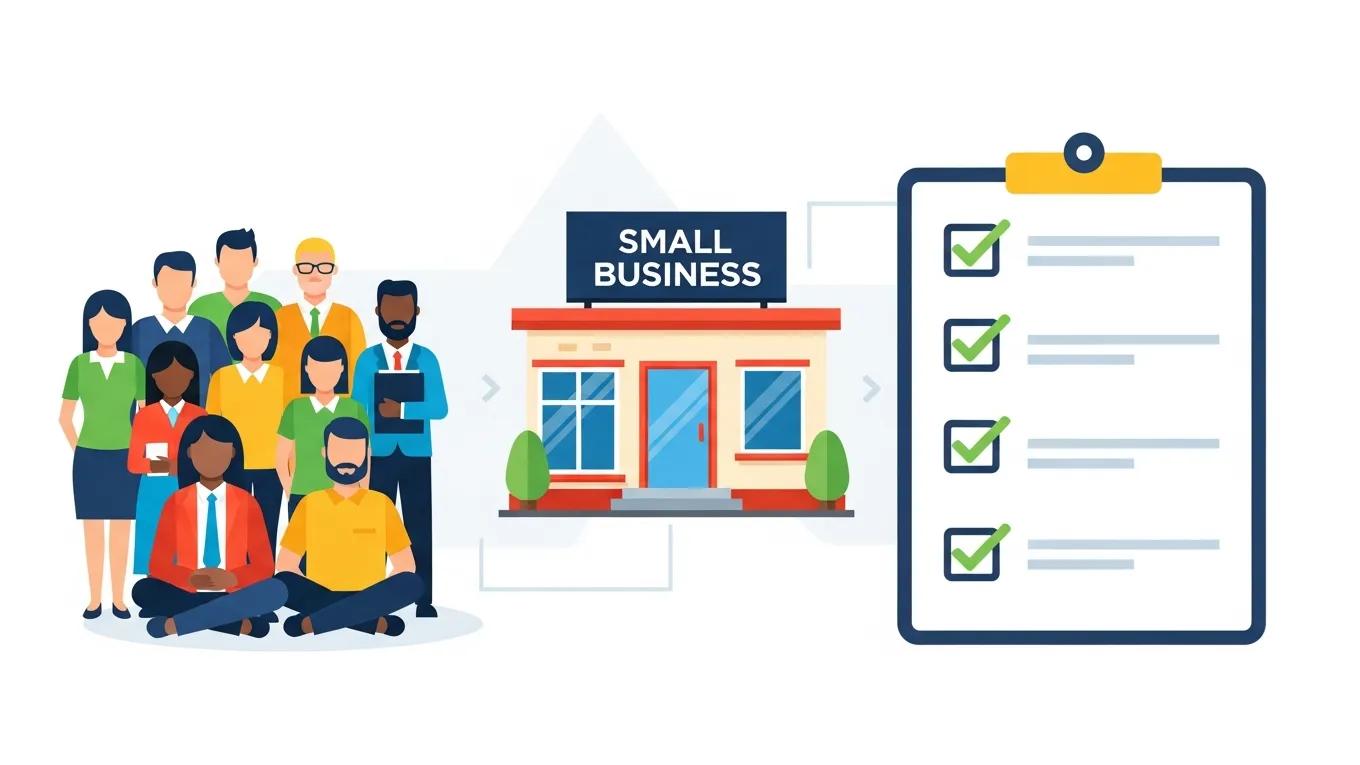
Eligibility requirements vary by carrier, but most small group health insurance plans are designed for businesses that meet specific employee and participation thresholds.
Understanding eligibility requirements before evaluating plans helps employers focus on healthcare options that align with their workforce structure and business goals.
What Businesses Typically Qualify?
Why Eligibility Requirements Matter
Eligibility standards affect which healthcare plans are available and what pricing structures may apply. Understanding carrier requirements helps employers avoid unnecessary delays during enrollment.
How Does Workforce Stability Affect Enrollment?
- Consistent employee counts
- Predictable staffing levels
- Reliable payroll processes
- Accurate employee records
- Ongoing workforce participation
- Strong enrollment management
Why Stable Workforce Data Helps
Businesses with accurate workforce information often experience smoother enrollment processes and improved access to healthcare options that fit their employee population.
Why Should Employers Review Previous Coverage?
Reviewing prior healthcare coverage helps employers identify benefit gaps, employee preferences, and opportunities to improve healthcare value.
Historical healthcare information can also help businesses create more effective enrollment strategies and avoid repeating coverage limitations experienced in previous plans.
What Small Group Health Insurance Plans Are Available?

Employers evaluating small business health insurance should compare healthcare plans based on provider access, workforce needs, healthcare utilization, and long-term affordability.
The right healthcare strategy depends on more than premiums alone. Businesses should consider total cost-of-care and employee healthcare priorities.
How Do HMO Plans Work?
Best Fit For
HMO plans may work well for businesses seeking affordability and structured healthcare management through coordinated provider networks.
How Do PPO Plans Work?
Best Fit For
PPO plans are often preferred by employees who value provider flexibility and broader access to doctors and specialists.
What Additional Funding Strategies Should Businesses Consider?
- Fully-insured plans
- Level-funded plans
- Self-funded arrangements
- HSA-compatible options
- Wellness-supported benefit strategies
- Alternative healthcare funding approaches
Why Funding Structure Matters More Than Premiums
Many businesses focus only on monthly premiums when comparing healthcare plans. A strategy-first evaluation considers provider access, employee healthcare needs, prescription coverage, and total cost-of-care to create stronger long-term outcomes.
Essential Principles for Small Group Enrollment
Small group health insurance plans involve many moving parts, including plan selection, employee communication, compliance management, and ongoing plan reviews.
As a health insurance agency in Florida, ProCare Consulting helps businesses evaluate healthcare options through a strategy-first approach focused on workforce needs, provider access, and long-term healthcare sustainability.
What Does ProCare Consulting Evaluate?
Why Strategy Matters
The lowest premium does not always provide the best value. Businesses benefit from evaluating healthcare plans based on long-term outcomes rather than short-term costs alone.
What Ongoing Support Is Available?
- Annual plan reviews
- Renewal evaluations
- Employee education
- Claims guidance
- Benefits communication support
- Long-term healthcare planning
Why Ongoing Reviews Improve Outcomes
Healthcare needs and regulations continue changing. Regular reviews help businesses keep healthcare strategies aligned with workforce expectations and operational goals.
How Can Businesses Improve Enrollment Success?
Businesses that communicate early, maintain organized records, evaluate healthcare needs, and review plans regularly are often more successful during enrollment periods.
A structured enrollment strategy helps employers reduce administrative challenges while improving employee participation and healthcare outcomes.
Frequently Asked Questions
What factors should small businesses consider when selecting a health insurance provider?
Compare provider networks, premiums, out-of-pocket costs, claims service, and any value-added programs such as wellness initiatives.
What is the minimum size of a group for group health insurance?
For most small group health insurance plans, businesses generally need at least 2 eligible employees, although carrier requirements may vary. Employers should verify eligibility guidelines when evaluating coverage options.
What qualifies as a group health plan?
A group health plan is employer-sponsored healthcare coverage offered to eligible employees and, in many cases, their dependents. These plans are designed to provide healthcare benefits through a shared coverage structure.
What is the maximum insurance group?
Small group health insurance plans typically cover businesses with up to 50 employees in Florida. Larger employers may qualify for different group coverage categories depending on carrier and regulatory definitions.
What is the most common type of group insurance?
Health insurance is one of the most common types of group insurance offered by employers. Many businesses choose small group health insurance plans to support employee wellbeing, improve retention, and provide access to essential healthcare benefits.
Conclusion
Following a structured small group health plan enrollment guide helps businesses create a smoother enrollment experience while reducing administrative challenges. Employers evaluating small group health insurance plans should focus on workforce needs, provider access, compliance requirements, and long-term healthcare value instead of premiums alone. As a health insurance agency in Florida, ProCare Consulting helps businesses navigate small business health insurance decisions through a strategy-first approach centered on education, transparency, and sustainable healthcare planning. With proper preparation and ongoing support, employers can build healthcare strategies that support employees while strengthening long-term business stability.