
Choosing the right small group health insurance plans is one of the most important decisions a growing business can make. In today’s health insurance environment, employers must balance affordability, employee satisfaction, provider access, and long-term financial stability while navigating small group health insurance in Florida. At ProCare Consulting, the focus is on a strategy-first approach that helps businesses evaluate total cost-of-care instead of focusing only on monthly premiums. Group health insurance plans for small businesses can improve recruitment, strengthen retention, and support a healthier workforce when structured correctly. However, comparing plan types, understanding eligibility requirements, and evaluating network quality can quickly become overwhelming. This guide explains how to compare plans, manage costs, and build a sustainable healthcare strategy that aligns with both workforce needs and business goals.
Key Takeaways:
- Small group health insurance plans help businesses provide structured healthcare coverage while improving employee retention, workforce stability, and long-term cost predictability. Risk-pooling also helps reduce per-employee healthcare expenses compared to many individual plans.
- Comparing group health insurance plans for small businesses requires evaluating total cost-of-care, provider networks, deductibles, and employee healthcare usage instead of focusing only on monthly premiums. This creates more informed and sustainable healthcare decisions.
- Customization tools such as Health Savings Accounts, Flexible Spending Accounts, and wellness-program initiatives can improve affordability while supporting better employee health outcomes. These strategies also help businesses manage long-term healthcare spending more effectively.
- Businesses navigating small group health insurance in Florida should regularly review plan performance, workforce demographics, and compliance requirements to ensure coverage remains aligned with operational and financial goals. Proactive planning helps reduce costly surprises at renewal time.
- Working with a strategy-first advisor like ProCare Consulting helps businesses compare healthcare options clearly, optimize benefits structures, and build scalable long-term healthcare strategies that support both employees and business growth.
What Are Small Group Health Insurance Plans and How Do They Work

Small group health insurance plans are designed for businesses that want to provide structured healthcare coverage to employees through a shared policy. In small group health insurance in Florida, these plans typically serve businesses with one to fifty employees and use risk-pooling to stabilize costs. ProCare Consulting helps employers evaluate plans through a strategy-first process focused on long-term value, workforce needs, and sustainable healthcare planning. These plans commonly include preventive-care services, hospital coverage, prescription-drug benefits, and access to provider networks. Employers benefit from more predictable healthcare costs while employees gain improved access to care. Understanding how these plans function helps businesses make more informed healthcare decisions.
How Risk-Pooling Supports Cost Stability
Risk-pooling allows healthcare expenses to be shared across all enrolled employees, reducing the financial impact of high-cost claims on individual members. This structure creates more stable premiums and improves predictability for employers managing healthcare budgets. Businesses benefit from reduced volatility and stronger long-term cost control. A strategy-first approach ensures that workforce demographics and healthcare usage patterns align with the selected plan structure. This helps employers avoid overpaying while maintaining meaningful employee benefits. Stable pricing is one of the biggest advantages of group coverage.
Why Shared Risk Helps Lower Per Employee Costs
When employees participate in a shared insurance pool, lower-risk members help offset higher healthcare utilization from others within the group. This creates more balanced pricing and allows insurers to offer lower costs than many individual plans. Employers gain better control over long-term healthcare spending. Understanding this structure helps businesses evaluate the true value of small group health insurance plans.
What Types of Group Health Insurance Plans for Small Businesses Are Available
- HMO plans with lower premiums and network-focused care
- PPO plans offering broader provider flexibility
- EPO plans balancing affordability and access
- High-deductible health plans paired with HSAs
- Fully-insured plans with predictable monthly expenses
- Level-funded options for qualifying businesses seeking flexibility
Choosing the Right Plan Structure
Every business has different workforce needs, healthcare usage patterns, and budget goals. Some employers prioritize lower premiums while others focus on provider flexibility or predictable costs. A strategy-first evaluation helps employers compare tradeoffs between affordability, coverage quality, and employee experience. This leads to better long-term healthcare planning.
What Benefits Are Commonly Included in Small Group Plans
- Preventive-care screenings and annual wellness visits
- Inpatient and outpatient hospital coverage
- Prescription-drug benefits and pharmacy access
- Primary-care and specialist visits
- Mental-health and behavioral-health support
- Wellness-program resources and incentives
How Comprehensive Benefits Improve Workforce Satisfaction
Employees are more likely to feel financially secure and supported when they have access to comprehensive healthcare benefits. Better coverage improves morale, reduces healthcare-related stress, and contributes to stronger retention. A strategy-first benefits structure also helps businesses create a healthier and more productive workforce. This improves both employee satisfaction and operational stability.
How to Compare Small Group Health Insurance Plans Effectively

Comparing small group health insurance plans requires more than reviewing premiums. Businesses evaluating group health insurance plans for small businesses must also assess total cost-of-care, provider access, employee healthcare needs, and network quality. In small group health insurance in Florida, employers face varying plan structures, regional provider networks, and carrier differences that impact overall value. ProCare Consulting helps businesses simplify this process through transparent, strategy-first plan comparisons. Structured analysis reduces confusion and helps employers avoid reactive healthcare decisions. The goal is to identify plans that align with both workforce expectations and financial sustainability.
How to Evaluate Employee Healthcare Needs
- Review workforce age ranges and family demographics
- Analyze prescription-drug usage trends
- Evaluate frequency of doctor and specialist visits
- Identify common healthcare conditions within the workforce
- Consider employee provider preferences and locations
- Gather employee feedback through surveys or meetings
Why Workforce Analysis Improves Plan Selection
Understanding employee healthcare usage patterns helps businesses choose plans employees will actually use and appreciate. This reduces unnecessary spending on irrelevant benefits and improves workforce satisfaction. A strategy-first process ensures healthcare decisions are based on real workforce data rather than assumptions. Better alignment between coverage and usage improves long-term value.
How to Compare Total Cost-of-Care
- Analyze monthly premium contributions
- Compare deductibles and out-of-pocket maximums
- Evaluate copayment and coinsurance structures
- Review provider-network restrictions
- Compare prescription-drug formularies
- Conduct side-by-side carrier comparisons
Why Premiums Alone Can Be Misleading
Low monthly premiums may create higher out-of-pocket costs when employees actually need care. Deductibles, network restrictions, and prescription coverage all affect overall healthcare spending. Businesses that focus only on premium pricing often overlook long-term financial exposure. A strategy-first comparison helps employers understand the true cost of each plan option.
How Provider Networks Affect Employee Experience
Provider networks determine which doctors, specialists, and hospitals employees can access through their health plan. Narrow networks may lower premiums but can limit provider flexibility and continuity-of-care. Broader networks improve access but may increase costs. Businesses should evaluate whether employees can continue seeing preferred providers under each plan option. A strategy-first approach ensures network design aligns with employee expectations and healthcare needs.
Why Small Group Insurance Matters for Your Business
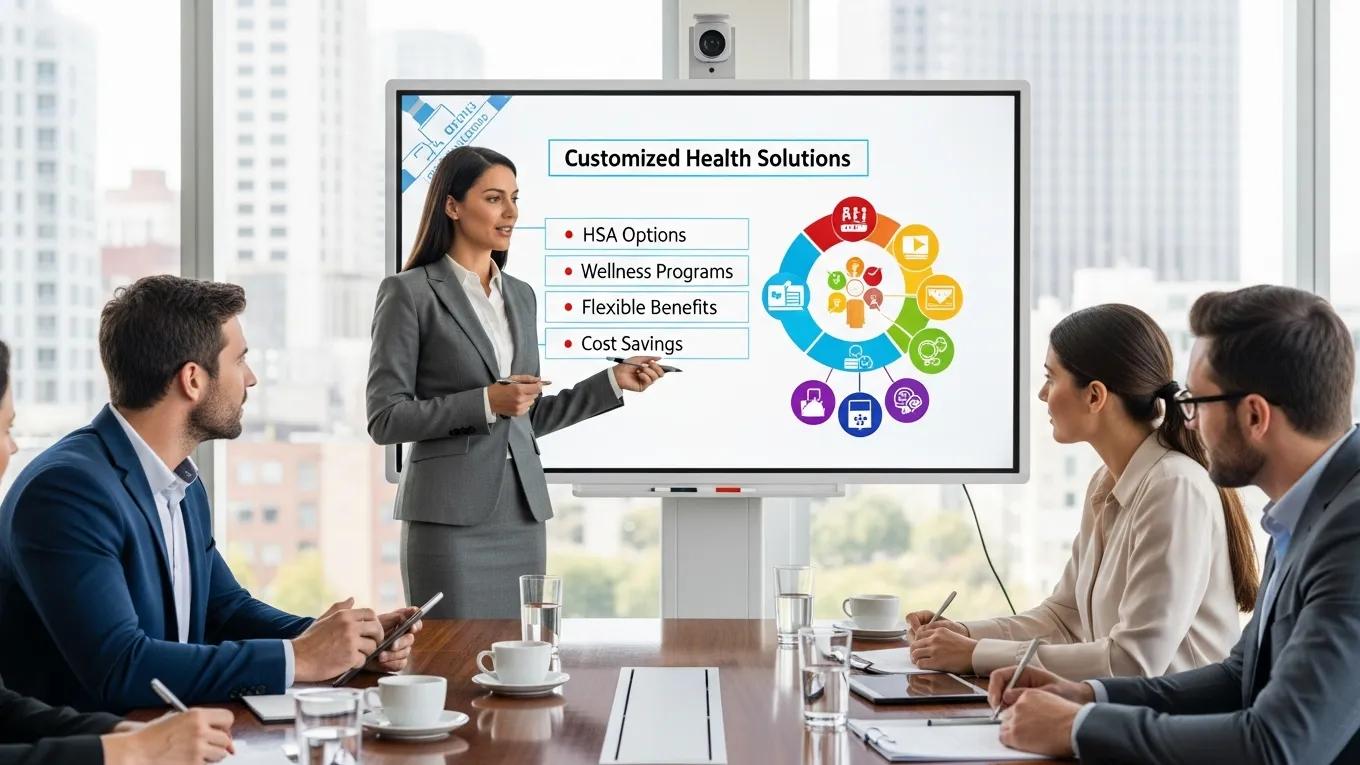
Customization allows businesses to build healthcare strategies that align with workforce priorities while controlling costs. Employers offering group health insurance plans for small businesses often use tools like HSAs, FSAs, and wellness initiatives to improve flexibility and affordability. In small group health insurance in Florida, businesses benefit from evaluating these options through a strategy-first lens. ProCare Consulting helps employers identify practical ways to optimize healthcare spending without sacrificing employee satisfaction. The right customization strategy improves long-term healthcare value and operational sustainability.
How HSAs and FSAs Improve Cost Efficiency
- HSAs provide tax-advantaged savings for healthcare expenses
- FSAs allow employees to use pre-tax dollars for medical costs
- High-deductible plans can pair effectively with HSAs
- Tax savings help reduce overall healthcare spending
- Employees gain greater control over healthcare budgeting
- Employers may reduce payroll-tax liability
Understanding the Financial Advantages of HSAs
Health Savings Accounts help employees prepare for healthcare costs while reducing taxable income. Employers also benefit through payroll-tax savings and lower premium structures tied to high-deductible plans. A strategy-first approach ensures HSAs align with workforce healthcare usage and financial goals. This creates better long-term healthcare efficiency.
How Wellness Programs Support Long-Term Savings
- Encourage preventive-care participation
- Improve employee health outcomes
- Reduce long-term healthcare claims
- Increase employee engagement and morale
- Support healthier workplace behaviors
- Potentially reduce future premium increases
Why Preventive-Care Strategies Matter
Preventive-care initiatives help identify healthcare issues before they become more expensive conditions. Wellness-focused strategies can reduce claims utilization and improve workforce productivity over time. Businesses that prioritize preventive care often create healthier and more stable work environments. A strategy-first approach ensures these initiatives align with overall healthcare goals.
How Regular Plan Reviews Improve Healthcare Strategies
Healthcare needs, workforce demographics, and market conditions change over time. Businesses should review healthcare plans annually to evaluate performance, costs, and employee satisfaction. Regular reviews help identify opportunities for savings, better provider access, or improved coverage structures. A strategy-first process ensures healthcare plans remain aligned with workforce and business objectives. This helps employers avoid outdated or inefficient benefit strategies.
How Consulting Services Improve Small Group Health Insurance Decisions

Selecting the right small group health insurance plans can become complex without expert guidance. ProCare Consulting helps businesses navigate group health insurance plans for small businesses through transparent education, structured comparisons, and long-term healthcare planning. Their strategy-first framework focuses on workforce needs, financial goals, provider access, and operational sustainability rather than generic recommendations. This helps businesses build scalable healthcare strategies that remain effective as needs evolve. Ongoing support also improves decision-making and reduces administrative stress.
How Strategy-First Planning Improves Outcomes
ProCare Consulting begins by analyzing workforce demographics, healthcare usage, provider preferences, and financial objectives. This information is used to create a customized healthcare strategy aligned with long-term business goals. The focus remains on sustainable value instead of short-term cost reductions. Businesses gain greater clarity and confidence throughout the healthcare planning process. This leads to stronger workforce satisfaction and more stable healthcare spending.
Aligning Benefits With Business Objectives
Healthcare benefits should support recruitment, retention, workforce stability, and long-term financial planning simultaneously. A strategy-first process ensures these priorities remain connected throughout plan evaluation and implementation. This prevents disconnected healthcare decisions that create operational or financial issues later. Better alignment improves both workforce experience and business stability.
What Cost-Comparison Frameworks Are Used
- Side-by-side carrier comparisons
- Total cost-of-care evaluations
- Coverage-tradeoff analysis
- Network-access comparisons
- Long-term savings opportunity reviews
- Transparent breakdowns of plan features
Why Structured Analysis Creates Better Decisions
Structured comparisons help employers evaluate healthcare plans more clearly and objectively. Businesses gain a better understanding of how each option performs financially and operationally. A strategy-first framework ensures that recommendations are based on actual workforce data and business goals. This leads to stronger healthcare outcomes and fewer surprises.
How Ongoing Support Improves Long-Term Value
Ongoing support ensures healthcare plans continue meeting workforce and business needs as circumstances evolve. This includes annual reviews, renewal evaluations, claims guidance, and regulatory updates. Businesses gain confidence knowing they have continued access to expert healthcare guidance. Long-term support creates more stable and effective healthcare strategies over time.
Frequently Asked Questions
What qualifies as a small group health insurance plan
Small group health insurance plans typically serve businesses with one to fifty employees and provide shared healthcare coverage through a group policy structure.
How can businesses choose the best healthcare plan
Businesses should evaluate employee healthcare needs, provider access, total cost-of-care, and financial goals before selecting coverage. A strategy-first comparison process improves long-term outcomes.
What are common mistakes employers make with healthcare plans
Common mistakes include focusing only on premiums, ignoring provider networks, failing to review plans annually, and overlooking employee healthcare usage trends.
How do wellness programs help reduce healthcare costs
Wellness programs encourage preventive-care participation and healthier workplace habits, which may reduce claims utilization and improve employee well-being over time.
How often should businesses review their healthcare strategy
Businesses should review healthcare plans annually or whenever workforce needs, regulations, or financial priorities change significantly
Conclusion
Selecting the right small group health insurance plans requires more than choosing the lowest-cost option. Businesses evaluating group health insurance plans for small businesses must consider total cost-of-care, provider access, workforce demographics, and long-term financial sustainability when navigating small group health insurance in Florida. ProCare Consulting helps employers simplify these decisions through a strategy-first approach focused on transparency, education, and long-term fit. Their personalized guidance helps businesses avoid reactive healthcare decisions that can lead to higher costs and employee dissatisfaction over time. With the right planning and ongoing support, employers can build scalable healthcare strategies that improve retention, strengthen workforce stability, and deliver lasting value.